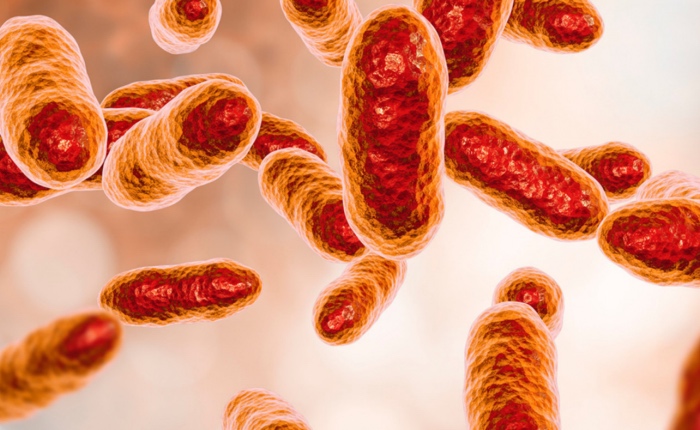
Professor Sharon Huws covers the first of the Animal Nutrition series, with the collaboration of the British Society of Animal Science (BSAS) on the topic ‘Manipulating the rumen microbiome’. The rumen is a complex ecosystem composed of anaerobic bacteria, protozoa, fungi, methanogenic archaea, and phages, which interact closely to break down plant material and providing metabolic energy to the host and, in the case of archaea, producing methane. Consequently, ruminants produce meat and milk, which are rich in high-quality protein, vitamins, and minerals, and therefore contribute to food security. As the world population is predicted to reach approximately 9.7 billion by 2050, an increase in ruminant production to satisfy global protein demand is necessary, despite limited land availability, and whilst ensuring environmental impact is minimized. Although challenging, these goals can be met, but depend on our understanding of the rumen microbiome. Attempts to manipulate the rumen microbiome to benefit global agricultural challenges have been ongoing for decades with limited success, mostly due to the lack of a detailed understanding of this microbiome and our limited ability to culture most of these microbes outside the rumen. The potential to manipulate the rumen microbiome and meet global livestock challenges through animal breeding and introduction of dietary interventions during early life have recently emerged as promising new technologies. Our inability to phenotype ruminants in a high-throughput manner has also hampered progress, although the recent increase in “omic” data may allow further development of mathematical models and rumen microbial gene biomarkers as proxies. Advances in computational tools, high-throughput sequencing technologies and cultivation-independent “omics” approaches continue to revolutionise our understanding of the rumen microbiome. This will ultimately provide the knowledge framework needed to solve current and future ruminant livestock challenges.
What will I learn?
- Understand how the manipulation of the rumen microbiome can play a role in food security
- Learn about emerging technologies in dietary interventions to manipulate the rumen microbiome
- Gain knowledge that is essential to solve current and future ruminant livestock challenges.
Course Features
- Lectures 2
- Quiz 0
- Duration Lifetime access
- Skill level All levels
- Language English
- Students 205
- Certificate Yes
- Assessments Yes