
Diet and the prevention of cognitive decline
The brain is a highly active organ, using 20% of the total oxygen and glucose consumed by the body, despite representing only about 2% of body weight. Cognition, which includes memory, attention, language production, and planning, is the mental process of acquiring knowledge and understanding through thought, experience, and the senses. The neurophysiological processes and brain cells underlying cognition are highly sensitive to nutritional status and dietary composition.
In this webinar, you will learn about the impact of select dietary components, foods, and dietary patterns on cognition and the risk of dementia. We will examine preclinical, prospective cohort, and randomised controlled trial (RCT) evidence on the neurocognitive benefits of flavonoids, fiber, fish/omega-3 fatty acids, B-vitamins, ketones, the Mediterranean-style diet, and the MIND diet. You will also gain insights into the apparent disconnect between the large effect sizes seen in prospective cohort studies and RCTs, with a focus on subgroups who may be most responsive to intervention—such as those with low habitual status or a cardiovascular risk profile. Additionally, we will discuss inequalities in incident dementia and cognitive decline between males and females.
What will I gain from this webinar?
- You will be able to understand the aetiology and prevalence of Dementia.
- You will be able to describe strategies to promote cognitive health and reduce dementia risk into older age, both in the medium and long term.
- You will gain insight into emerging research areas, including the effect of menopause on cognitive decline.
Curriculum
- 1 Section
- 2 Lessons
- Lifetime
- Diet and the prevention of cognitive decline2
Instructor
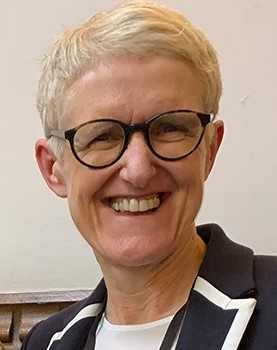
Professor Anne-Marie Minihane is Professor of Nutrigenetics and Head of Nutrition and Preventive Medicine in Norwich Medical School, UEA, UK. The groups research programme investigates the impact of dietary components (marine omega-3- fatty acids and a Mediterranean-style dietary pattern) and APOE genotype on cardiovascular and cognitive health. A particular focus is the molecular and physiological basis for the interactive impact of menopause and an APOE4 genotype (25% of the UK population) on neuropathology and overall brain health and examining the ability of the omega-3 fatty acid DHA to mitigate the accelerated brain ageing in APOE4 females.
In addition, at UEA, Anne Marie contributes to the teaching of the Medical and Bioscience students, in the area of nutrition and disease prevention and therapeutics. She is a member of external editorial and commercial advisory roles and is part of the international group developing CONSORT-Nutrition guidelines. When away from science she enjoys the outdoors, and in particular running, good food, social and historical fiction, and travel and its planning.
